Monday, October 19, 2020

How Can You Tell If You Have A Bad Radiator?

how can you tell if you have a bad radiator

Although our days are still warm, it’s time to get your vehicle ready for winter.  An important part that drivers often overlook in winter is the radiator.  When it’s icy outside, the coolant in the radiator expands and contracts, adding stress to the radiator.  If cracks and leakages in the radiator go unnoticed, the end result could be damage to the transmission.  

As strange as it sounds, an engine can overheat even during cold temperatures.  Don’t delay for this to happen before thinking about scheduling a radiator repair.  Damage to the radiator can cause an undulate effect throughout the vehicle and cause the vehicle to stop running altogether.  What could have been a minor repair to the radiator can turn into a major transmission job!

So how can you tell if you have a bad radiator? 

  • Engine Overheats – The flow of coolant could be limited due to air inside the cooling system, clogged hoses, or too low of coolant level. 
  • Leaking Radiator – The constant icy and expanding of fluid could cause cracks in the radiator unit.
  • Hose Leak – A hose from the radiator to the engine allows the coolant to flow and cool off the engine.  Over time, these hoses wear our so have them checked frequently. 
  • Thermostat Failure – The thermostat regulates the amount of coolant that is recirculated and ensures that the coolant in the engine stays within a particular temperature range regardless of the outside temperature. A failing thermostat prevents the flowing coolant to the engine.
  • A Smoking Muffler – Actual smoke coming from the muffler could mean that the head gasket has been broken from an overheating engine.

Before winter come to full force make sure the antifreeze/water mixture in your radiator is still effective.  Your Auto mechanic may recommend flushing the cooling system, or easily topping it off.  

Are you wondering how can you tell if you have a bad radiator?  Call our ASE Certified Technicians at Clausen Automotive, The Hybrid Shop, for more information about radiator repair and to make an appointment. Since 1975, our family-owned auto repair shop has proudly served car owners in Madison, WI, and the surrounding communities.


Monday, October 12, 2020

How often should you replace your tires?

how often should you replace your tires

Whenever you take your car out on the road, your tires become a little more worn.  This doesn’t mean you are a bad car driver; it’s just the nature of tires.  They are the only part of your car that actually touches the road. Thus, it’s vital that you take good care of them with regular tire service.

If you have a tire blow out or a tire goes flat while you’re driving, especially at a high speed, the result could be disastrous!  You may be stranded in the middle of nowhere, or even worse, be the cause of an accident.  The time to take care of any needed repairs is before something goes wrong!  

To make sure your tires are in as good condition as possible, here are 4 simple tire service tips that you can do yourself:

  1. Inspect tread depth – The tread on your tires should not fall below 1/16 of an inch—double that if you regularly drive on wet slick roads.  You can see how much tread depth you have left by inserting a penny into the tread.  If Abe’s entire head remains visible, you don't have enough tread to drive safely.   Fresher tires now have built-in tread-wear indicator—flat rubber bars that run perpendicular to the direction of the tread.  It’s time to purchase new tires if you see these bars begin to seem on any of your tires.
  2. Inspect for cracks in the sidewall – Crack may indicate air is leaking out of the tire and your tire is losing pressure. If the cracks look very serious, schedule a tire service as soon as possible. 
  3. Inspect for bulges and blisters in the rubber – When the outer surface of the tire begins to wear out, bulges and blisters can show up, weak spots that are vulnerable to a blowout.  
  4. Feeling excessive vibration – If you are an experienced driver, you know how much vibration is usual, and when it is too much.  More than usual vibration is usually a sign of issues so schedule a tire service to inspect for unstable tires, worn-out shock absorbers, or issues.    

Don’t endanger yourself, your passengers, and other motorists with a flat tire or blow-out on the road. Keep up with regular tire service and replace tires as needed.

Are you wondering how often should you replace your tires?  Call our ASE Certified Technicians at Clausen Automotive, The Hybrid Shop, for more information about regular tire service and to make an appointment. Since 1975, our family-owned auto repair shop has proudly served vehicle owners in Madison, WI, and the surrounding communities.


Monday, September 21, 2020

What Causes Alternators to go Bad?

what causes alternators to go bad

Are you starting to experience starting issues and don’t trust your car anymore?  Is there an issue with the battery, the alternator, or the starter, you wonder? How do you know which one?  

What about the Starter System?

The alternator is located on the engine and provides power to the battery, continuously charging it along with the electrical system and computers.  The battery ignites the starter, but the alternator keeps the car running.  The lifespan of an alternator is affected by the quality, how the car is driven, and how many electronic accessories are being used inside the car.   When you start having starting issues though, it’s difficult to know whether it’s the fault of the car starter, the car battery, or the alternator.

Even though the starter system was designed for repeated use under a variety of weather and road conditions, just the usual wear and tear, extreme conditions, and poor maintenance can all create issues.

What Causes Alternators to go bad?

  • Using jumper cables wrong, 
  • An accessory that overloads the charging system,
  • Leaking fluid in the alternator, or
  • A tight belt in the alternator that can damage bearings.

When the alternator goes bad, the battery will ultimately die as the electronics have to draw all of their power from it.  Inspect the alternator even if you suspect the car starter or battery may be the cause of the issue.  The alternator can die with little or no warning but there a several signs to watch for:

  1. The "ALT" or "GEN" light illuminates on the instrument panel.
  2. The lights are dimmer than normal and may pulsate from dim to bright.
  3. Other electrical systems, such as power windows, power locks, air conditioning, radio, GPS, etc., will start to act up.
  4. Bearings in the engine may fail, creating unusual rattles. 
  5. The engine will stall as there is not sufficient power in the spark plugs to start the engine or to keep it running.
  6. The battery will lose its charge because the alternator can’t keep it charged.  

Remember:  If you are having starting issues, before replacing the starter or battery, check out the alternator. It could be the culprit!

Are you wondering what causes alternators to go bad?  Call our ASE Certified Technicians at Clausen Automotive, The Hybrid Shop, for more information about your car starter, battery, and alternator and to make an appointment. Since 1975, our family-owned auto repair shop has proudly served vehicle owners in Madison, WI, and the surrounding communities.


Thursday, August 13, 2020

How Often Do You Need To Replace A Muffler?

how often do you need to replace a muffler


The muffler is an integral part of the exhaust system that minimizes the noise produced during the exhaust process. The muffler also directs the exhaust out of the vehicle. This means a defective muffler doesn’t only make a lot of noise, it also causes very real issues for the driver and the passengers in the vehicle. So be sure to have your exhaust system checked by your auto mechanic periodically to ensure it is working properly.

Making repairs to the exhaust system can sometimes be rather expensive depending on the make, model, and general condition of your vehicle, neglecting a needed repair is not advised. Not only can the cost of that repair work increase, but it could also develop into more serious problems for the people in the vehicle.

But how often do you need to replace a muffler?  Just remember that mufflers are like most other auto parts—they wear out over time.  So be alert to some of the signs of a muffler that is not functioning correctly: 
  • Listen up! The biggest and most noticeable sign of a bad muffler is the noise. When your muffler fails, the car will suddenly seem a lot louder than it did before. Be especially vigilant for any strange or sudden rattling noise, which could be the sound of a muffler that’s become loose.
  • Look at it! Ask your auto mechanic to raise the vehicle and visually check the muffler. Any major problems, such as holes, are generally easily noticeable.  Also, inspect for any signs of water dripping from it. A bit of condensation is usual, but water leaking from some places on the muffler is definitely trouble.
  • Check the temperature.  Turn on the motor and let it run for a few minutes.  If the temperature rises abnormally high, it can cause the vehicle to overheat.
Are you wondering how often do you need to replace a muffler?  Consult our ASE Certified Technicians at Clausen Automotive, The Hybrid Shop, for more information about maintenance of the exhaust system and to make an appointment. Since 1975, our family-owned auto repair shop has proudly served vehicle owners in Madison, WI, and the surrounding communities.
Saturday, July 25, 2020

How Often Do You Need to Service Your Car?

how often do you need to service your car


If you are a conscientious driver, you won’t take good care of your vehicle.  But you may be wondering just how often do you need to service your car?  The answer is actually quite simple. Follow the factory-recommended service schedule that is listed in your owner’s manual.  This will help ensure that you are driving as safe as possible, especially if you are planning to head out for a summer road trip.

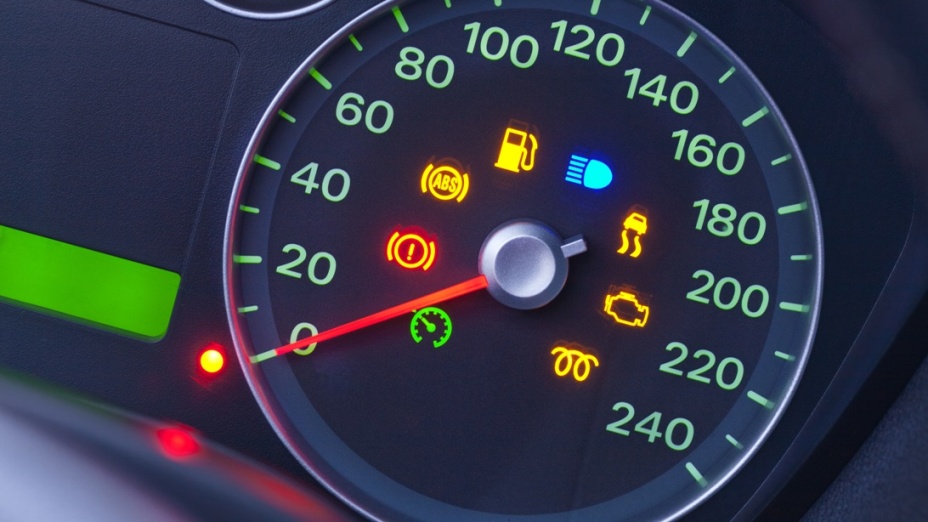
With the advancements in technology, many newer cars have a maintenance reminder system built-in that makes mileage-based schedules obsolete. This reminder system is programmed to take a number of car driving conditions into account and provides an alert on the instrument panel when it is time for certain services, such as oil changes, fluid level inspects, component checkups, and other car services.  Even though you should be able to trust this reminder system, it’s still a good idea to double-check with your car repair mechanic about any recommended services, especially if you don’t drive put many miles during a year’s time.

Older vehicles have service intervals based on the number of miles driven within a certain time period. There are generally two different maintenance schedules listed in your owner’s manual—one for cars driven in “normal” conditions and another for those driven in “severe” operating conditions. The exact definition of “severe” varies, but it will usually include one or more of the following conditions:
  • Primarily short trips (5 miles or less) 
  • Sustained stop-and-go driving
  • Extremely hot, cold, or dusty climates
  • Mountainous terrain
  • Carrying heavy loads or towing a trailer.

Plan ahead for any needed car repair and service maintenance by finding an auto shop and technician you can trust before you need them.  Use them for small jobs to inspect them out for a shop’s appearance, technician training and certification, insurance coverage, and customer satisfaction. 

Wondering how often do you need to service your car?  Consult our ASE Certified Technicians at Clausen Automotive, for more information about car services and to make an appointment. Our auto repair shop has proudly served vehicle owners in Madison, WI, and the surrounding communities.

Saturday, July 11, 2020

Why Does the Service Engine Light Come On?

why does the service engine light come on


Taking care of your vehicle with routine engine service is the best way to make sure it provides you with reliable transportation as long as you need it to.  If you think you are starting to experience engine issues, the “Check Engine” light illuminating on your dash could be the first warning signal.  Unless your car refuses to run at all, head to your auto shop and ask for a diagnostic test.  Your auto mechanic will plug a small computer underneath your dashboard to “read” what is happening under the hood.  Any potential issue can be diagnosed early before it turns into a major engine repair.  

If you’re wondering why does the service engine light come on, there are various reasons.  It could be an easy fix or something more serious is happening in the engine.
  1. Gas Cap is loose, Damaged – If the gas cap is loose, fuel vapors leak out and can throw the whole fuel system off, reducing gas mileage and increasing toxic emissions. The fix may be as simple as replacing the gas cap.
  2. Faulty Oxygen Sensor – The oxygen sensor monitors the unburned oxygen from the exhaust system, and how much fuel is burned.  If it is faulty, it cannot provide the right data to the computer, thereby reducing gas mileage and increasing emissions.  
  3. Failing Catalytic Convertor – The Catalytic Converter controls emissions in your car’s exhaust system. It converts carbon monoxide and other harmful materials into harmless compounds. If it fails, your gas mileage will reduction and your car won’t accelerate when you step on the gas.
  4. Faulty Mass Airflow Sensor – The mass airflow sensor tells the car's computer to add the proper amount of fuel based on the air enters the engine.  If it fails, toxic emissions will increase, the car will start to stall, and gas mileage will decrease. 
  5. Dirty Spark Plugs and Wires – The spark plug seals the combustion chamber and provides a gap for a spark to jump across and initiates combustion in your engine.  If they are starting to fail, they will misfire.  They simply want to be replaced.
What is the key to a well-running engine?  Take care of all service items as recommended, helping to prevent major engine repair issues.  

If you want to know more about why does the service engine light come on, call our ASE Certified Technicians at Clausen Automotive, The Hybrid Shop, for more information about our engine repair services and to make an appointment. Our family-owned auto repair shop has proudly served vehicle owners in Madison, WI, and the surrounding communities.

Tuesday, June 30, 2020

Wondering when Should You Get Your Transmission Fluid Changed?

when should you get your transmission fluid changed

If you understand the purpose of transmission fluid, you will understand why your auto mechanic may recommend scheduling a transmission service.  The main job of transmission fluid is to lubricate the surfaces and components of the transmission system, preventing excessive friction and overheating.  The second vital job is to transmit the power from the engine to the transmission, enabling your vehicle to move. 

So when should you get your transmission fluid changed?  This subject is a debate among auto mechanics. Some will say that transmission fluid never wants to be changed.  Though, the majority may recommend changing it about every 50,000 miles.  As you have heard various times, read your owner’s manual to see the recommended service, or ask your trusted auto mechanic.

It is a fact that transmission fluid deteriorates over time.  And some driving conditions (such as stop-and-go city driving, hauling heavy loads, or towing) can raise the transmission’s operating temperature, putting more strain on the transmission and fluid.  If there are leaks in the transmission unit or there are worn-out or damaged parts, the level of fluid can become dangerously low.  Transmission fluid is normally red in color, but if it has turned darker than usual, it may be time to replace it. 

So how do you know when should you get your transmission fluid changed?  Here are various warning signs to look out for:
  1. Delayed Shifting.  There isn’t enough pressure in the fluid to engage the gears instantly. 
  2. Difficulty Shifting.  Excessive amounts of dirt in the transmission fluid can cause the gears to change either too fast, too abruptly, too slow, or too erratically. You may hear grinding sounds or see abnormally high RPMs before the gears shift.  
  3. Slipping gears.  Although you changed gear, it falls back out of that gear.  The friction material on the clutches and transmission bands may not be able to hold the gear in place. 
  4. Overheating.  If you notice a burning smell along with loss of power, pull over instantly and let everything cool down.
Remember:  Ask your auto mechanic to inspect the transmission fluid about every month to prevent an expensive transmission repair later down the road. 

Are you wondering when should you get your transmission fluid changed?  Consult our ASE Certified Technicians at Clausen Automotive, The Hybrid Shop, for more information about transmission repair service and to make an appointment. Our family-owned auto repair shop has proudly served vehicle owners in Madison, WI, and the surrounding communities.